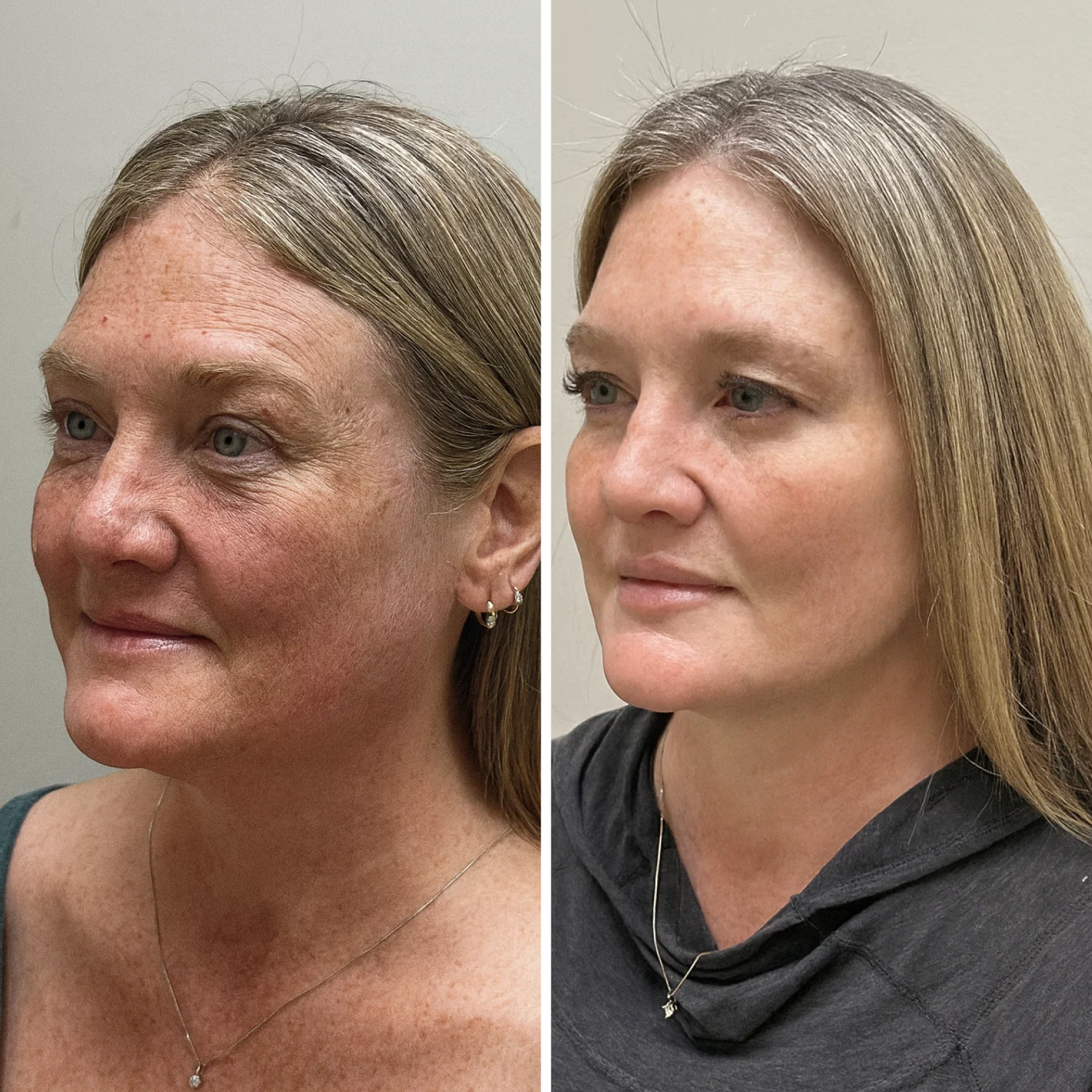
Anti-Aging Solution
Ad Copy
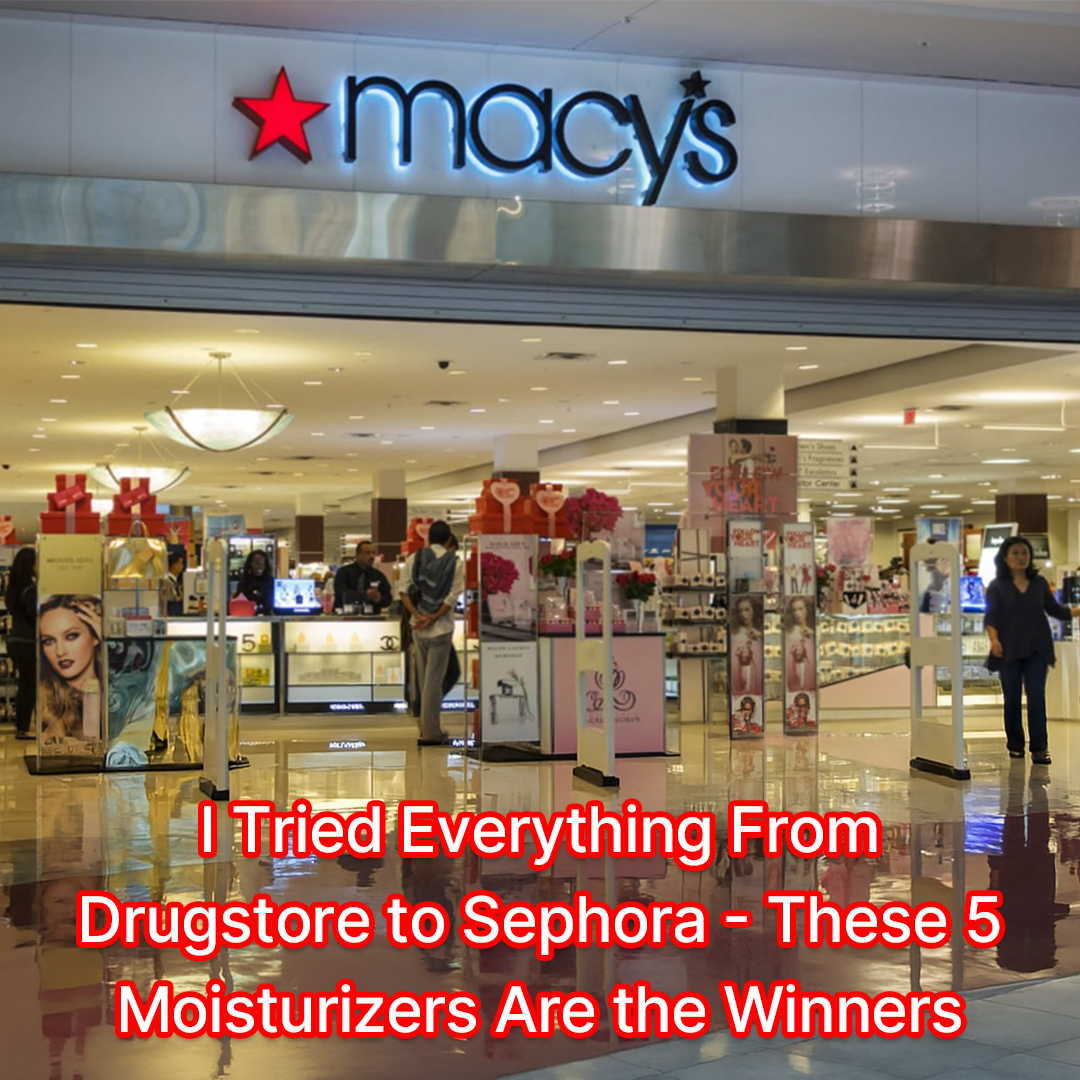
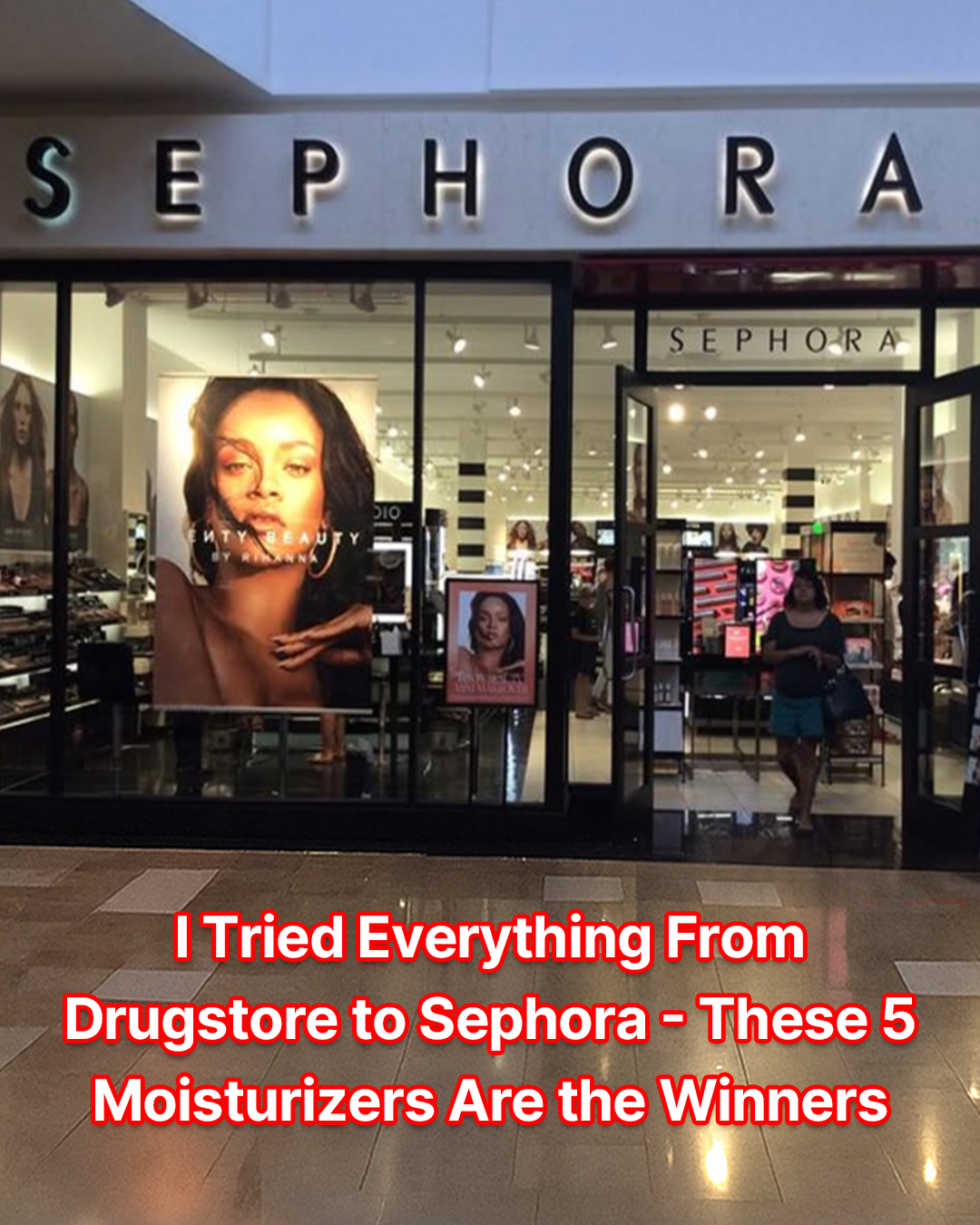
I was sitting in my car in the Sephora parking lot, crying so hard I couldn't catch my breath. In the passenger seat: another $347 worth of skincare. My sixth purchase this month. I'd promised myself—PROMISED—I wouldn't buy anything else. But I'd gone in "just to look," seen a new serum promising to "replump aging skin," and the next thing I knew I was at the register. Again. My credit card was shaking in my hand as I swiped it. Not from excitement. From shame. Because I knew—I KNEW—this wouldn't work either. Just like the $280 La Mer didn't work. Just like the $195 SkinMedica didn't work. Just like the $89 Drunk Elephant, the $110 Tatcha, the $156 Sunday Riley, and the dozen other "miracle" products currently crammed into my bathroom cabinet didn't work. I sat there, mascara running, shopping bag in my lap, and thought: "I'm addicted to something that doesn't even work." The Bathroom Cabinet of Shame When I got home, I did something I'd been avoiding for months. I emptied my entire bathroom cabinet onto the floor. And I counted. 47 products. Serums, creams, oils, masks, essences, boosters, treatments. Some barely used. Most half-empty because I'd given up on them after 2-3 weeks when they inevitably stopped working. I pulled up my email and added up the receipts. $6,247. In 18 months. Six thousand dollars. On products that made my skin feel nice for an hour... and then left me right back where I started. Dry. Crepey. Aging rapidly. Desperate. I looked at that pile of expensive bottles and jars spread across my bathroom floor, and I wanted to scream. Because I'm not stupid. I'm an educated woman. I research products. I read reviews. I follow dermatologists and skincare experts on Instagram. So why did I keep falling for it? Why did I keep buying the next "miracle" serum, convinced THIS would be the one, only to be disappointed again and again and again? The Cycle I Couldn't Break Here's how it always went: Step 1 – The Discovery: I'd see a glowing review. Or an influencer raving about a new launch. Or a brand claiming "clinical studies prove instant results." Step 2 – The Hope: This time would be different. This product understood the science. This one was formulated specifically for mature skin. This one actually worked. Step 3 – The Purchase: I'd convince myself this wasn't impulsive. I'd researched. I'd read ingredients. This was an investment in my skin, not a waste of money. Step 4 – The Honeymoon: For the first few days, my skin would feel amazing. Soft, hydrated, plump. I'd think, "Finally! I found it! This is the one!" Step 5 – The Fade: By week 2, the magic would wear off. My skin would look just as dehydrated by lunchtime. The wrinkles would still be deep. The crepey texture would still be there. Nothing had actually changed. Step 6 – The Blame: I'd convince myself I did something wrong. Maybe I wasn't using enough. Maybe I needed to layer it with something else. Maybe my skin needed time to adjust. Maybe I needed the entire product line, not just one item. Step 7 – The Next Purchase: And I'd be back at Sephora two weeks later, buying the next thing. Rinse. Repeat. $200-400 at a time. What I Was Actually Addicted To That night, sitting on my bathroom floor surrounded by $6,000 worth of failure, I finally understood: I wasn't addicted to skincare. I was addicted to hope. Every new product was a lottery ticket. A chance that maybe, just maybe, this would be the thing that made me look like myself again. The version of me from before menopause hit at 52 and aged my face ten years in what felt like six months. The version who didn't avoid mirrors. The version who felt confident in photos. The version who didn't spend an hour every morning trying to salvage something acceptable from crepey, dehydrated, rapidly aging skin. I was buying hope. Over and over. At $50, $100, $300 a bottle. And the beauty industry was more than happy to keep selling it to me. The Brutal Truth I Didn't Want to Admit Here's what I finally had to accept: Most skincare doesn't work. Not because the ingredients are fake or the claims are lies. But because they're addressing the wrong problem. After menopause, your skin loses up to 30% of its collagen in just 5 years. That collagen forms your Hydration Reservoir—the structural network in the middle layer of your skin that holds moisture. When that reservoir collapses, surface moisturizers can't help. You're pouring water into a broken bucket. It feels nice for an hour. Your skin looks dewy for 90 minutes. Then it evaporates because there's no structure holding it in place. So you buy another moisturizer. A more expensive one. With better ingredients. Newer technology. And it fails for the exact same reason. Because it's still just pouring water into a broken bucket. The beauty industry knows this. They know single-weight hyaluronic acid only works temporarily. They know standard moisturizers can't rebuild collapsed collagen. They know retinol helps with texture but does nothing for structural volume loss. They know you'll keep coming back, buying more, hoping the next product will be different. They're counting on it. Their business model depends on you never finding something that actually works. Because a woman who fixes her problem once becomes a customer who stops buying. The Reddit Post That Shattered Everything At 3 AM, unable to sleep, I posted in r/SkincareAddiction: "I've spent over $6,000 in 18 months and my skin looks exactly the same. Am I insane? Is skincare even real? Or is it all just expensive placebo?" I expected to be roasted. Told I was doing something wrong. That I needed to give products more time. That I wasn't layering correctly. Instead, the responses flooded in. Dozens of women describing the exact same cycle. The same hope. The same disappointment. The same shame. The same bathroom cabinets full of expensive failure. But then one comment stopped me cold: "You're not insane. You're just buying the wrong products. Most serums use ONE type of HA that only hydrates the surface. What you need after menopause is a multi-dimensional system that rebuilds the collapsed collagen reservoir from multiple depths. It exists. It's just not profitable for big brands to market it because you'd only need to buy it once." She explained that different molecular weights of hyaluronic acid perform completely different biological functions: Ultra-small molecules (under 10 kDa) penetrate deep into the dermis and send signals to fibroblast cells: "Start producing collagen again" Cross-linked molecules form a protective three-dimensional mesh that grabs moisture and releases it slowly over 24 hours High-weight molecules provide immediate surface hydration and plumping Modified molecules (acetylated) enhance penetration and protect existing collagen from enzymatic breakdown "Most brands use just ONE of these—usually the high-weight surface hydration kind. You need ALL FOUR working together as a system. That's what actually fixes collapsed reservoirs. That's what gives you results that last past lunchtime." She recommended one specific product: Rejuvenate Face Serum. "It's the only one I've found with a true 4-dimension HA system. Clinical studies show 64% improvement in smoothness and 60% improvement in plumping in 6 weeks. It's not magic. It's just... actually addressing the structural problem instead of temporarily flooding the surface." The $44 Bottle That Ended My Addiction I was skeptical. God, was I skeptical. I'd heard promises before. I'd been burned 47 times—literally, I counted the bottles on my floor. But I was also broke, desperate, and staring at physical evidence of my own compulsive hope-buying spread across my bathroom tile. So I ordered one bottle. Not three. Not six. One. $57. Not $280. Not $195. Not $156. Fifty-seven. Week 1 – The Texture Difference: The first thing I noticed was how different it felt from everything else I'd tried. Most serums are either watery (absorb in seconds, do nothing) or thick and sticky (sit on your face forever, feel gross). This was substantial but absorbed instantly. And my skin felt... full. Dense. Like it was actually drinking it in and holding onto it, not just getting wet on the surface. Day 3: My skin was still hydrated at 2 PM. That hadn't happened in three years. Usually by lunchtime, I'd look dehydrated and exhausted no matter what I'd applied that morning. Day 5: I realized something shocking: I hadn't thought about buying new skincare. Not because I was forcing myself to stay away from Sephora. But because I didn't feel the desperate, anxious need to fix something. Day 7: I looked in the mirror and saw subtle changes. My skin looked smoother. The crepey texture on my neck was less pronounced. Fine lines around my eyes were softer. Week 2 – The Validation My husband said something that made me stop in my tracks: "Your skin looks really good. Like, noticeably better. What are you doing differently?" I'd been married to this man for 28 years. He'd watched me come home with hundreds of Sephora bags. He'd never once commented that my skin looked better. Because it never had. "I found a new serum." "Well, whatever it is, keep using it. You look great." Week 4 – Breaking the Pattern Here's when I knew something fundamental had shifted: I walked past Sephora. Didn't go in. Not because I was avoiding it. Not because I was forcing myself to be disciplined. But because I genuinely didn't feel the pull. For the first time in two years, I wasn't compulsively searching for the next product to fix me. Because I wasn't broken anymore. Week 6 – The Clinical Data Matched Reality I took a photo and placed it next to one I took six weeks earlier. The difference was undeniable. My crow's feet were softer. My forehead lines had relaxed. The crepey texture on my neck was smoothing out. My skin looked plump and hydrated—not just in the morning, but all day. The clinical studies said: 134% increase in hydration immediately after first use 64% improvement in smoothness at 6 weeks 60% improvement in plumping at 6 weeks 48% reduction in transepidermal water loss over 24 hours I was seeing exactly what the data promised. For the first time in 18 months and after spending $6,000, a product finally delivered (for just $57 a bottle) What I Learned About the Beauty Industry The global skincare industry makes $145 billion annually. It doesn't make that money by solving your problems quickly and affordably. It makes that money by selling you hope in increasingly expensive packaging while ensuring you never quite find the solution. $50 serums. $195 creams. $400 "luxury" treatments. Most of them using nearly identical base formulations—just with different marketing stories and price points. La Mer's "Miracle Broth"? Mostly just algae and standard moisturizing ingredients. SK-II's "Pitera"? Fermented yeast extract you can get in $20 products. Sunday Riley's space-age packaging? Same retinol you can buy at the drugstore for $15. The markup isn't for better ingredients. It's for the feeling of luxury. The hope that expensive equals effective. And here's the thing that makes me rage: The science to actually fix collapsed collagen reservoirs exists. Multi-weight HA systems. Published peer-reviewed studies. Proven mechanisms. But there's no profit in telling you about a $57 solution that actually works and stops you from buying 47 other products. There's enormous profit in keeping you dependent, uncertain, and eternally searching. I Haven't Been to Sephora in 5 Months Not because I'm white-knuckling it. Not because I'm on a "no-buy." But because I don't need to. My skin looks better now—using one serum, twice a day, $57 per bottle—than it did when I was using 7 products and spending $400 a month. My credit card bill dropped by $350 monthly. My bathroom cabinet has empty space now. And that pile of 47 products? I donated most of them to a women's shelter. Someone might as well get the temporary moisturizing effect, even if they don't rebuild anything. The Addiction I Finally Broke I wasn't addicted to skincare products. I was addicted to the hope that the next one would fix me. The fantasy that the right cream, at the right price, with the right ingredients, would restore what menopause had destroyed. But products can't restore structural collapse unless they're specifically designed to rebuild from multiple depths. And 99% of products aren't. They're designed to make you feel something immediately, work temporarily, then fail so you buy the next thing. That's not skincare. That's a subscription model disguised as self-care. If You're Where I Was If your bathroom cabinet looks like mine did… If your credit card statement makes you wince when you see "SEPHORA" listed six times… If you're caught in the cycle of hope → purchase → disappointment → next purchase… If you've spent thousands and your skin looks exactly the same… Listen to me: It's not your fault. The industry is specifically designed to keep you in that cycle. To make you feel like you're always one product away from the solution. To convince you that the failure is yours, not theirs. But you can break it. Not with willpower. Not with a "no-buy year." With a product that actually addresses the structural problem instead of temporarily masking it. Try Rejuvenate Face Serum Risk-Free Use it for 30 days. If it doesn't outperform everything currently crammed in your bathroom cabinet—if this doesn't end your desperate cycle of buying and disappointment—if you don't finally see lasting results that extend past lunchtime… Get every penny back. Even if you've used half the bottle. Click below to try Rejuvenate Face Serum: https://try.inblair.com/rejuvenate/lp20 ✅ 30-Day Money-Back Guarantee ✅ Only 4-Dimension HA System that actually rebuilds reservoirs ✅ Clinically proven: 64% smoothness improvement, 60% plumping improvement ✅ $57 per bottle vs. $280 La Mer that doesn't work ✅ No subscriptions, no auto-billing ✅ Save up to 32% with 3-4 bottle packs Two Paths Forward Path 1: Keep buying. Keep hoping. Keep being disappointed. Keep spending $200-500 monthly on products that work for an hour and fail by afternoon. Keep accumulating bathroom cabinets full of expensive failure. Keep feeling like a failure yourself because nothing works. Path 2: Try the one thing that actually addresses collapsed collagen reservoirs. The one thing backed by peer-reviewed clinical studies. The one thing that costs $57 and actually delivers lasting results. The one thing that might finally break the cycle you've been trapped in. I wasted $6,247 in 18 months buying hope in expensive bottles. You don't have to. P.S. – I spent $6,247 across 47 products in 18 months. This costs $57 and actually works. Do the math. Then ask yourself why nobody told you about multi-weight HA systems sooner. (Hint: because there's no profit in you finding a solution.) P.P.S. – Order 3 bottles (save 23%) to cover the full 6-12 week rebuilding phase. You'll be tempted to buy something new during that time—old hope-buying habits die hard. Having enough product to last the full transformation will keep you from sabotaging yourself and falling back into the Sephora cycle.
More from Dr. Kelly
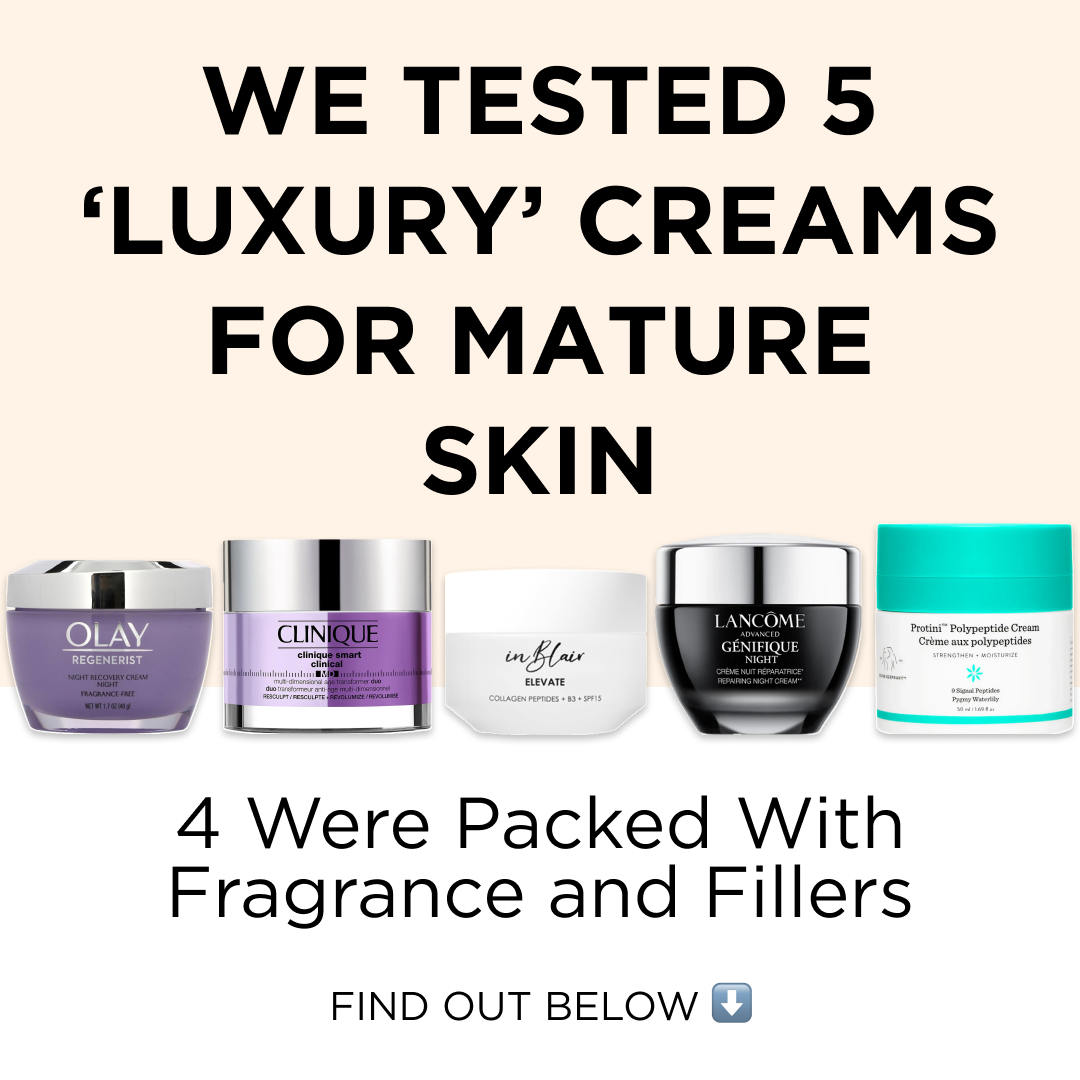
Dermatologist Reveals Top 5 Moisturizers
Dr. Kelly

Anti-Aging Solution
Dr. Kelly
Anti-Aging Solution
Dr. Kelly
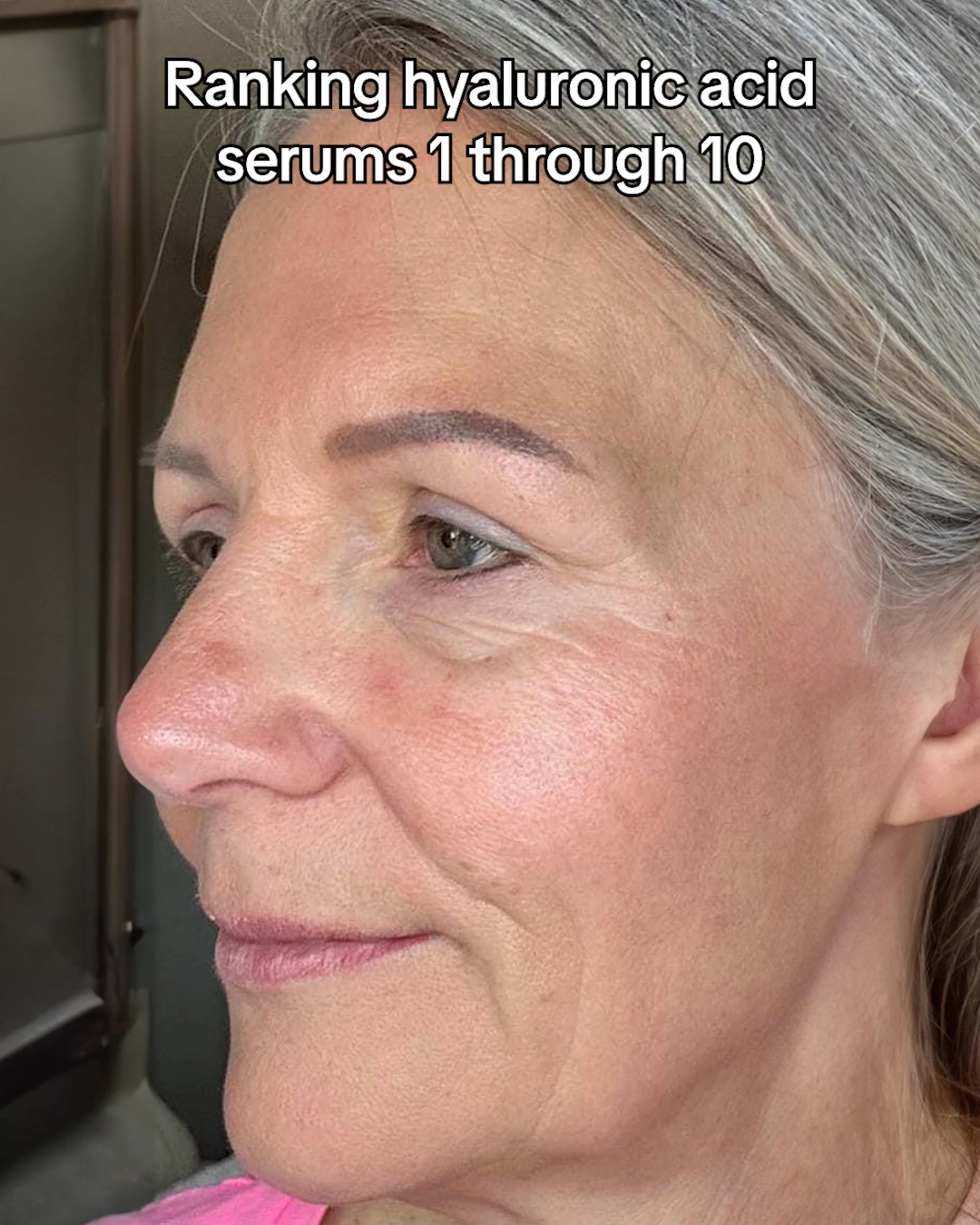
Anti-Aging Solution
Dr. Kelly

Anti-Aging Solution
Dr. Kelly
Anti-Aging Solution
Dr. Kelly
Anti-Aging Solution
Dr. Kelly
Dermatologist Reveals Top 5 Moisturizers
Dr. Kelly

Anti-Aging Solution
Dr. Kelly

Anti-Aging Solution
Dr. Kelly

Anti-Aging Solution
Dr. Kelly
Dermatologist Reveals Top 5 Moisturizers
Dr. Kelly

 Add to Chrome